
Estate Woodland Management for Beginners: Coppicing, Deadwood, and Wildlife Habitat
The first instinct most new woodland owners have is to tidy up. Fallen branches go on the fire, hollow trees come down before they fall on something, and the whole place is gradually swept into something closer to a park. It is an understandable urge, and it is usually the wrong one. A working estate wood is a slightly untidy, generous, patient thing — part timber crop, part wildlife hotel, part playground for whoever lives there.
Whether you have inherited three acres behind the walled garden or thirty acres on the far side of the park, the principles are the same. Work with what is already growing, change a little at a time, and keep notes. This is a guide to the first few years: what to look at, what to cut, what to leave alone, and how to get around the place without turning it into mud.
Read the Wood Before You Cut It
Walk the wood at least four times before you make any decisions. Go in midwinter, when the shape of the place shows itself — you can see the stools, the standards, the wet hollows and the old drains. Go in late spring for ground flora and nesting birds. Go in high summer, when shade and drought tell you where the thin soil is. Go after a week of rain, so you know exactly which rides will swallow a trailer.
Carry a notebook and sketch compartments on paper. They do not need to be accurate; they need to be useful. Mark mature and veteran trees, any coppice stools that look cut in the past, patches of dense bramble, ash showing dieback, and the height of the deer browse line — a hard, straight edge of green about a metre up is a clear sign that nothing is regenerating. Take photographs from the same few points each year. Woodland change is slow, and a photo taken in the same spot every January will show you more than memory ever will.
Coppicing, Explained Simply
Coppicing is cutting a tree's stems close to the ground so it regrows from the stump, or stool. The tree is not killed; it is reset. Most broadleaves that grow in British woods will do it, though some are better than others. Hazel, sweet chestnut, willow, alder, field maple, lime and ash coppice vigorously. Oak will coppice, but slowly, and it is often better left as a standard for timber.
Cut in winter, roughly November to February, while the sap is down. Make clean, slightly angled cuts, low enough to encourage strong regrowth but not so low that you split the stool. Never cut a stool to the ground and then let livestock or deer graze it — regrowth is the sweetest thing in the wood and will be eaten to nothing within weeks.
Dividing the wood into coupes
The trick is rotation. Split your coppice area into coupes — say eight or ten — and cut one per year, so each stool is rested for eight or ten years. That leaves the wood in a permanent patchwork of ages, which is exactly what wildlife wants: sunny open ground next to young thicket next to mature canopy. Never cut the whole wood at once, and leave a scattering of standards (uncoppiced trees) per acre for timber, shade and nesting.
What a rotation gives you
- Hazel at seven to fifteen years: pea sticks, bean poles, hedging stakes, binders, hurdles, kindling.
- Sweet chestnut at twelve to twenty years: fence posts, rails, and superb firewood.
- Willow and alder at three to six years: weaving rods, biomass, and quick screening.
- Ash and field maple: tool handles and small structural timber, if the ash is healthy.
- Brash and small wood: charcoal, woodchip, or habitat piles rather than bonfires.
Exact years depend on your soil, rainfall and how hard you cut. Watch the stools and adjust. If the regrowth looks thin, give them a longer rest.
Deadwood: The Untidiest Good Habit
Deadwood is where a wood earns its keep for wildlife. Fungi break it down, invertebrates move in, and everything from bats to woodpeckers follows. A managed wood should keep a decent share of its dead material on site — some surveys suggest a healthy broadleaf wood holds more deadwood than most owners would guess, but you do not need a figure to justify it. Ask yourself simply whether the wood looks like it has been swept. If it does, leave more.
- Standing dead trees: invaluable, especially if hollowing. Leave them where they pose no risk to paths, rides or buildings.
- Fallen logs: keep them in place. Roll one or two into the sun as well as leaving some in shade — many deadwood insects need warmth.
- Stumps: leave them cut high, roughly a metre, where you can. They rot beautifully.
- Brash piles: a few, not everywhere. Hedgehogs, amphibians and nesting birds use them, but too much brash smothers ground flora.
Safety comes first near anything people use. If a dead tree leans over a ride, a footpath or a building, deal with it — ring-barking or reducing it to a safe monolith keeps the habitat while removing the risk. For anything above head height near a target, bring in a qualified tree surgeon rather than improvising.
Wildlife Habitat Is Mostly About Structure
Species do not need a species list; they need layers. Canopy, understory, scrub, tall herbs, short turf, leaf litter and bare ground each support different things. Variety of height and light matters more than the number of trees you plant.
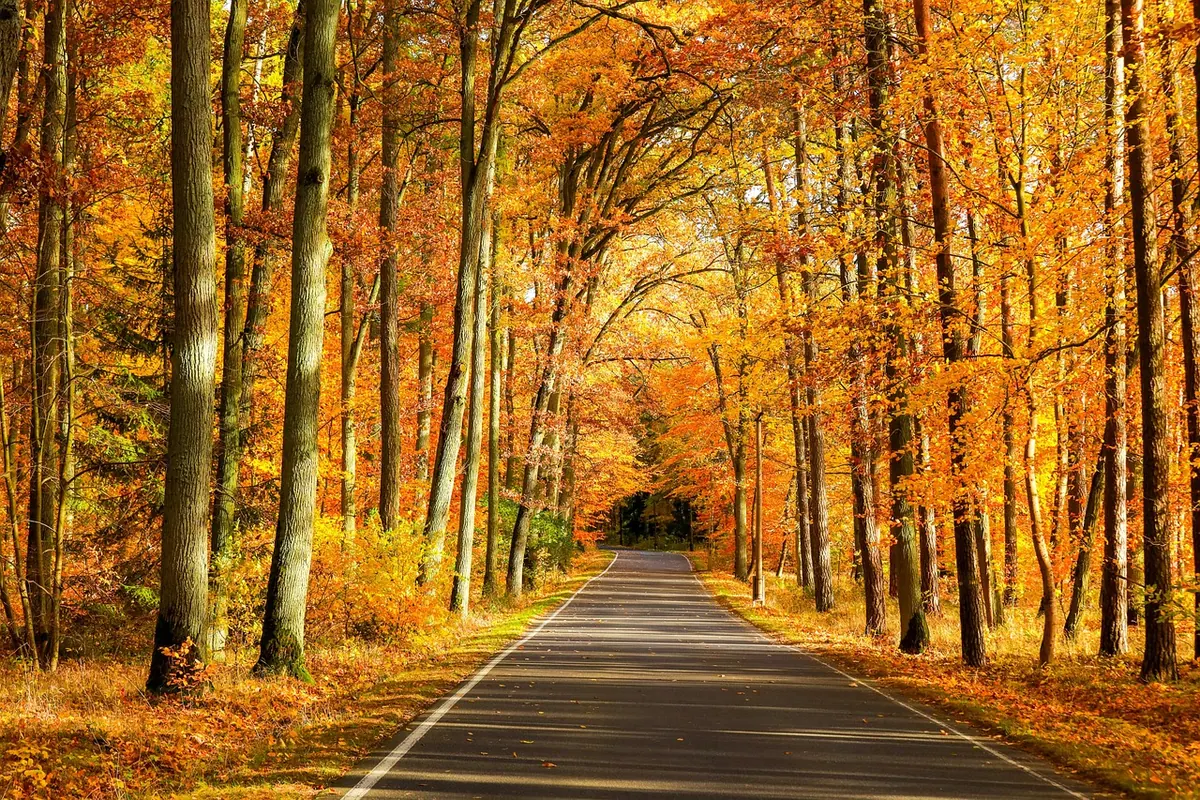
Rides are your cheapest tool. Keep them three to four metres wide, cut on a two- or three-year rotation, and scallop the edges so the sun reaches the ground in bays and curves rather than a straight line. Cut half a ride one winter and half the next, so something is always flowering. Leave the odd thorn or bramble clump in the middle of a wide ride. Near water — a pond, a ditch, a damp hollow — stay off the margins with machinery and leave the leaf litter alone; amphibians and invertebrates need the damp layer.
Nest boxes and bat boxes are useful additions, particularly where natural holes are scarce, but they are a supplement, not a substitute for old trees and dense scrub. Watch deer and squirrel pressure closely. A wood with no young growth is a wood with a slow expiry date, and fencing or a cull plan (take local advice) may be the single most important thing you do.
Access, Extraction and Keeping Timber Useful
Plan your access before you need it. Rides should run slightly across the slope, crowned in the middle and firm enough to take a small trailer or an ATV in the drier months. Where the ground is soft, work in late summer or use brash laid as a mat over the worst sections. Gates should be wide enough for the vehicle you actually own, not the one you dream about.
Stack felled timber off the ground on bearers, in a sunny, airy spot, and cover the top only — the sides need wind. Leave small-diameter wood in longer lengths; it dries better and is easier to handle. Anything you cannot use, leave as habitat. Very little in a wood is genuinely waste.
A First-Year Plan
- Walk and map the wood across the seasons, and photograph fixed points.
- Choose one small coupe to coppice — a tenth to a fifth of the wood at most.
- Check for nesting birds, bats and other protected species before cutting, and check whether any felling permission or licence is required where you are. Wildlife and felling rules differ by country, so confirm with the relevant agency before you start.
- Sort out deer or rabbit protection around the coupe before you cut, not after.
- Cut in winter, sort the produce, stack what you will use and leave the rest as deadwood.
- Record what you did, where, and when. A simple notebook is enough.
- Review after two or three years and adjust the rotation.
Safety, Patience and a Notebook
Chainsaw work is the part of woodland management most likely to hurt you. Get proper training, wear the right protective kit, work with a companion where you can, and never fell a tree you are unsure about — especially near buildings, power lines or public paths. If you open the wood to visitors, think about insurance, signage and liability before the first person arrives.
Then give it time. A coppice coupe looks brutal the winter you cut it, thrilling the second summer, and genuinely useful by the fifth. That is the rhythm of the work, and it is a satisfying one. Put a bench at the end of a ride, keep a kettle in the truck, and let the wood tell you what it needs next.
Photo: ZbigniewMilewski / Pixabay