



Seasonal Guide to Manor Garden Bulbs: Planting for Spring Color in Historic Grounds
For a few weeks each spring, the oldest grounds do something newer gardens rarely manage. A drift of snowdrops threads along a hedge bank, aconites burn yellow at the foot of a cedar, and fritillaries stand in damp grass where a stream once ran. None of it is extravagant. All of it depends on autumn. Bulbs naturalized in lawns, borders and woodland edges are the cheapest long-term colour a historic estate can own, provided they go into the right ground at the right moment and are then left more or less alone.
Read the Ground Before You Order
Walk the grounds first with a spade and a critical eye. Most disappointment with bulbs comes down to drainage rather than variety. Heavy clay that holds water through winter will rot tulips and crown imperials; if a hole fills with water overnight, either work in grit and organic matter or choose somewhere else. Snowdrops, fritillaries and camassia will tolerate moisture far better than tulips will.
Look at light and at what happens in June, not April. A border that is sunny when bulbs flower but shaded by a mature lime by midsummer will still suit early kinds, which complete their season before the canopy closes. Check for tree roots as well: under old specimens the soil is dry, hungry and full of fibrous roots, and bulbs planted tight against a trunk rarely thrive. Aim for the outer edge of the canopy instead.
The Autumn Window
Bulbs are sold from late summer, but planting them the day they arrive is not always the right move. The general rule is simple: the smaller and earlier the flower, the earlier it wants to be in the ground, because those bulbs need time to root before cold sets in.
- September to early October: snowdrops, winter aconite, colchicum and Cyclamen hederifolium. These resent drying out, so plant them promptly.
- October: daffodils, crocus, scilla, chionodoxa, Anemone blanda and Fritillaria meleagris for damp meadow.
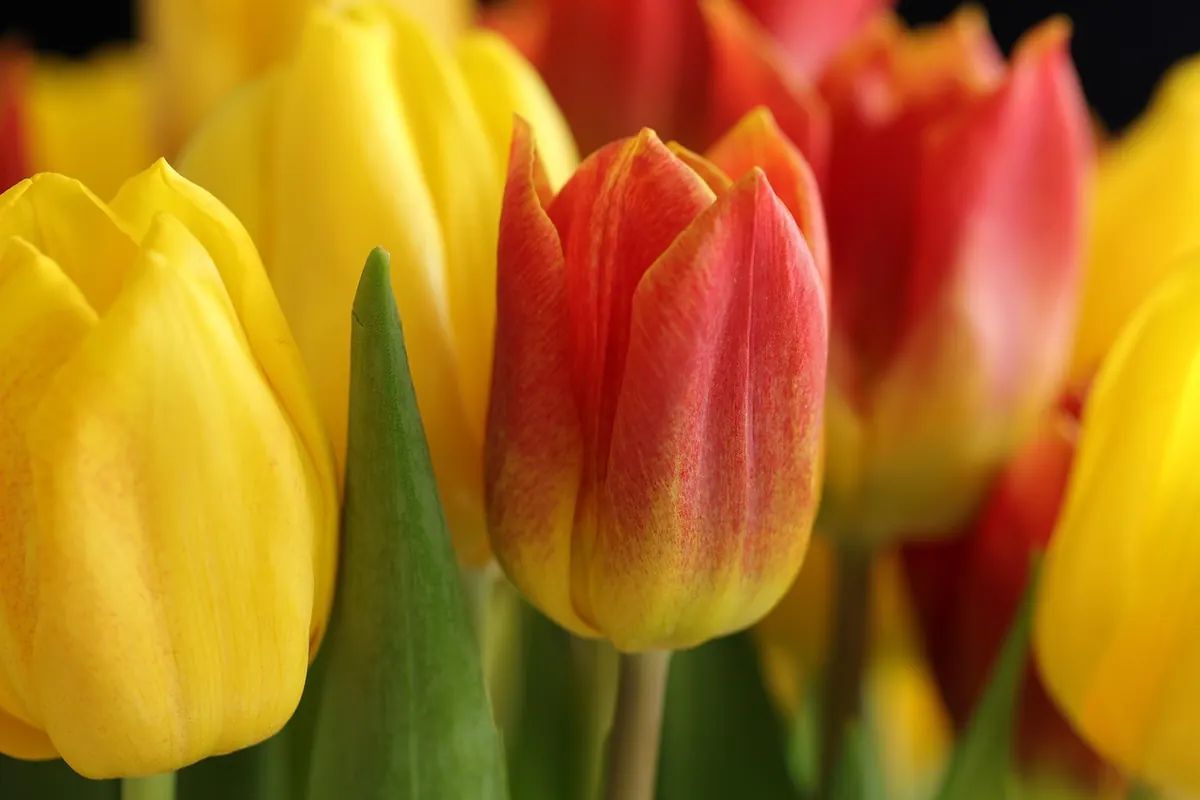
- November: tulips, alliums, camassia and crown imperials. Later is better for tulips; cool soil reduces the risk of fungal trouble.
Until planting, keep bulbs in a cool, dark, airy place — a shed shelf rather than a sealed box in a warm room. As a depth guide, set each bulb about three times its own height below the surface. In light sandy soil, go a little deeper; in heavy soil, a little shallower but with grit beneath.
Naturalizing in Lawns and Rough Grass
This is where historic grounds look their best, and where the least money buys the most. The method is old and reliable: take a handful of bulbs, throw them gently across the grass, and plant them where they land. It sounds casual, but it produces the irregular drifts that look as though they have always been there. Rows and single specimens never do.
- Lift a flap of turf with a spade, or use a bulb planter on softer ground.
- Set the bulbs at three times their height, spaced roughly two to three bulb-widths apart within the drift.
- Replace the turf and firm it gently with the heel. No need to water in autumn rain.
- Record the drift on a simple plan, or mark its corners, before the grass grows back.
The mowing regime matters more than the planting. Grass must be short when bulbs push through, uncut while they flower, and left alone afterwards while the leaves feed the bulb for next year. Six weeks after flowering is the earliest safe cut for daffodils and snowdrops; if the foliage is still green, wait. On larger lawns, mow around the drifts and treat the rest normally, then take a full cut once the leaves have yellowed.
Plant in drifts, not in lines, and let the leaves die back on their own. Everything else about naturalizing is detail.
Borders, Terraces and the Walled Garden
In cultivated borders the challenge is different: bulbs must emerge through perennials that are still dormant, then vanish politely as those perennials fill out. Tulips, alliums and camassia are ideal for this, as are early crocus at the front of a sunny terrace wall. Plant them in generous groups of a dozen or more rather than dotting them about, and set them where a summer perennial will cover the gap.
The practical risk in borders is the fork. Dormant bulbs are easily speared during summer weeding, so keep a plan of what is where, or use discreet labels that survive the winter. If you lift and divide perennials in autumn, replant the bulbs at the same depth as you found them and firm the ground well.
Woodland Edges and Under Old Trees
Woodland edges on historic grounds usually offer the best soil on the property: leaf mould, dappled light in spring, and shade later on. Snowdrops, native bluebells, Anemone blanda, cyclamen and wood anemones all settle in happily. Plant them in sweeps along the edge of a ride or beneath a hedge rather than deep inside the wood.
Two cautions. First, buy bluebells from cultivated stock and check that they are the native Hyacinthoides non-scripta rather than the vigorous Spanish hybrid, which crosses with wild populations. Never lift bulbs from the wild. Second, on registered parkland or ground of archaeological interest, take advice from the estate's conservation adviser before digging; a planting scheme is rarely worth disturbing a historic layout.
Deer, Squirrels and Other Troubles
Daffodils, alliums, snowdrops and fritillaries are largely left alone by deer, while tulips and crocus are grazed with enthusiasm. Squirrels lift tulips and crocus in autumn, often within days. Planting deeper helps, as does laying a sheet of mesh over the bed until the ground freezes. Wet, poorly drained spots cause more losses than animals do, so grit in the planting hole is rarely wasted.
After the First Spring
Resist tidying too soon. Leaves left to yellow naturally will feed the bulb for the following year, and tying them into knots does no good at all. A light dressing of general-purpose fertiliser as growth emerges helps on thin soils. Where clumps of snowdrops have become congested, lift and divide them "in the green" immediately after flowering, and replant at once. Allow seed heads to ripen on snowdrops, cyclamen and fritillaries if you want colonies to spread of their own accord.
Finally, keep notes. The date the first snowdrop opens, the drifts that thinned, the tulips the squirrels found — a page or two each spring is enough. It turns the following autumn's order into a decision rather than a guess, and it is how the best historic gardens were planted in the first place.
Photo: Marjonhorn / Pixabay